
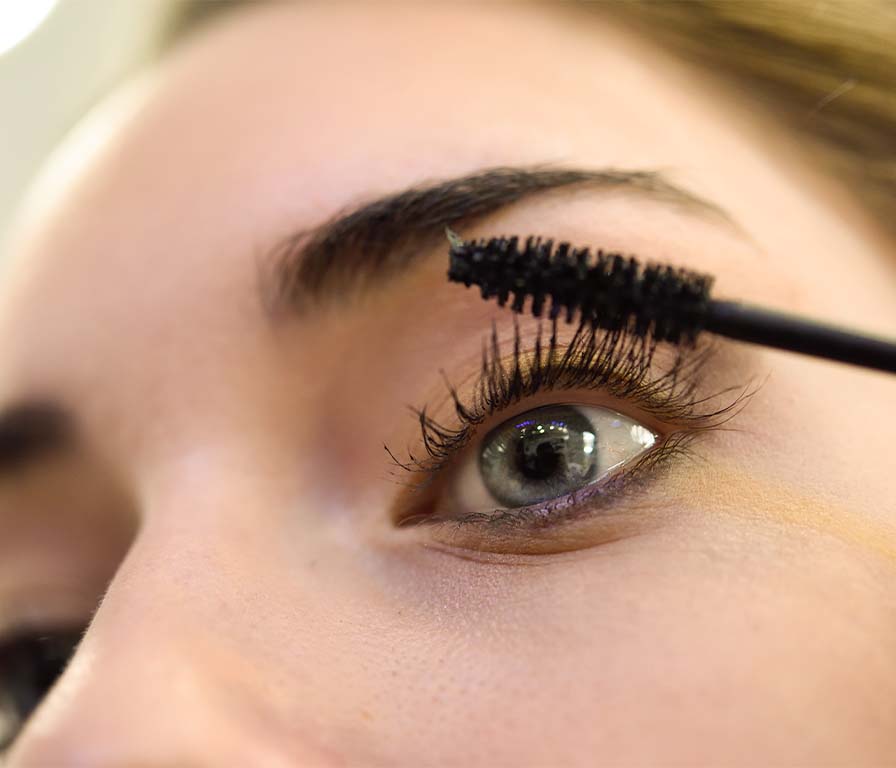
Eyelash extensions are a high-impact beauty service that deliver immediate results, fuller, darker, longer lashes without mascara—when applied correctly. But longevity and lash health depend almost entirely on aftercare. This guide, written for beauty salons and compiled from the experience of LuminLash lash artists, gives you a practical, science-backed, salon-friendly maintenance plan you can share with clients and use to train staff. Read on for a step-by-step regimen, common mistakes to avoid, troubleshooting, and pro tips that maximize retention while protecting natural lashes.
Why aftercare matters?
Extensions are attached to a client’s natural lashes using adhesive. That bond is delicate: oils, friction, moisture and certain products can weaken it. Proper aftercare keeps extensions looking full and reduces the risk of irritation, premature shedding, and gaps in the lash line. Which protects your salon’s reputation and reduces the number of corrective visits.
The first 48 hours: critical ‘no-water, no-steam’ window
What to tell clients immediately after application?
- No water, steam, saunas, or heavy sweating for 24–48 hours. During this period the adhesive is curing; exposure to moisture or heat can prevent proper bonding and reduce retention. Encourage clients to avoid facials, hot yoga, and long hot showers during this window.
Why it matters?
When adhesive cures properly it reaches maximum strength; interrupting that process increases early loss of extensions and can lead to an uneven look that needs an emergency touch-up.
Daily routine: simple steps that make the difference
The most effective aftercare is short, consistent, and easy to follow. Teach clients this 3-minute daily routine.
1) Cleanse gently — every day
Use a lash-safe, oil-free cleanser and instruct clients to cleanse the base of the lash line to remove makeup, sweat and debris. Foaming lash cleansers or micellar waters labeled “oil-free” are ideal because oil breaks down the glue bond. Cleaning at least once daily prevents buildup that can cause adhesion failure and even eyelid inflammation (blepharitis).
How to demonstrate (for lash artists)?
- Dispense a small amount of oil-free lash cleanser onto a clean micro-brush or foam pad.
- With the client’s eyes closed, gently press and sweep along the lash line — never rub or pull.
- Rinse with room-temperature water (or use a dampened pad) and pat dry with a lint-free towel.
2) Brush and separate daily
A clean, soft spoolie combed through the extensions once a day keeps the fans separated, removes tangles, and helps the set maintain its intended shape. Train clients to use gentle vertical strokes rather than aggressive back-and-forth brushing.
3) Sleep smart
Recommend sleeping on the back or using a silk pillowcase to reduce friction and crushing. Positioning and friction are common, avoidable causes of early lash loss.
Products and ingredients: what to use and what to avoid?
Must-use: oil-free cleansers and eye makeup removers
Products explicitly marked oil-free and formulated for extensions are the safest choice. Water-based micellar cleansers and lash foams are salon favorites because they remove impurities without damaging the glue.
Avoid: oils, heavy creams, and oil-based makeup
Even small traces of oil from creams, cleansers, mascaras or makeup removers can break down lash adhesive, leading to poor retention. Tell clients to avoid oil-based makeup removers, balms, and thick eye creams, and to keep skincare oils away from the eye area.
Be cautious with mascaras and serums
- Mascara: Lash artists will often tell you that it is best to avoid wearing mascara on your eyelash extensions. However, if a customer requests to use, it is recommended to only use a water-based and extension-friendly mascara and to be very careful when removing it at night.
- Growth serums: Some eyelash growth serums have oils or chemicals in them that can interfere with the bonding of eyelash extensions and/or the health of the natural lash. You should only use eyelash growth serums that specifically state they are safe for eyelash extensions and are approved by your technician.
Common client mistakes and how to correct them
Mistake 1: Rubbing or pulling lashes
Rubbing transfers oils and causes mechanical stress. If a client has itchy eyes, recommend cold compresses and a gentle cleanser rather than rubbing.
Mistake 2: Using oil-based products
Oil breaks the bond between Lash Extensions and the natural lashes. Create a list of Safe Alternative Products for your clients to follow and consider Selling a Travel-Size Oil-Free Cleanser as an upsell.
Mistake 3: Skipping refills
A common misconception of clients is that one set of lashes should last for months. However, Due to Natural Lash Growth and Shedding, there will be gaps that need to be filled. As a general rule most Lash Artists recommend every 2 – 3 weeks for Refills to maintain the appearance of Full lashes. To help ensure compliance Book the Next Appointment before they leave.
Mistake 4: DIY removal
Many clients assume it’s okay to remove their Lash Extensions on their own using oils or tweezers, but this could potentially lead to damage to their Natural Lashes. Encourage clients to seek out a Professional and to explain the Safe Removal Process so they understand the risks of removing multiples themselves.
Salon protocols: train your staff, protect your brand
Standardize aftercare instructions
Create a printed aftercare card that every client receives. It should be short (bullet points), include the 24–48 hour rule, daily cleaning steps, a refill timeline, and emergency contact details.
Offer a starter kit
A small retail kit with an oil-free cleanser, a soft spoolie, and an aftercare card both helps clients follow instructions and creates a new revenue stream. Teach artists how to recommend the kit naturally as a must-have.
Consultation checklist for lash artists
Before application, the lash artist should:
- Review the client’s skincare and makeup routine (identify oils).
- Ask about eye conditions, recent surgeries or allergies.
- Perform a patch test if the client has sensitive skin or previous reactions.
- Explain the refill schedule and aftercare verbally and hand over the aftercare card.
Troubleshooting: what to do when things go wrong?
Problem: Patchy loss and gaps after a week
Possible causes: oil exposure, sleeping face down, poor cleaning, or initial adhesive contamination. Action: Inspect the set, gently clean the lash line, correct with a small refill, and re-educate the client on aftercare.
Problem: Redness, irritation, or swelling
Stop using any products near the eyes. Remove extensions professionally if irritation persists and refer to an ophthalmologist if there is significant swelling or discharge. Allergic reactions to adhesives are rare but require immediate attention.
Problem: Extensions falling off in clumps
This usually indicates adhesive breakdown from oils or a reaction to a product. Rebook with a corrective service: remove compromised extensions and apply a fresh, properly prepared set after the natural lashes have recovered.
Pro tips from LuminLash lash artists (actionable, salon-grade)
Tip 1: Prime every natural lash before application
A lightweight primer removes oils and residue, improving bonding and retention. Document which primer works best with the adhesive you use and include it in your standard protocol.
Tip 2: Educate with visuals
Demonstrate cleansing and brushing in-salon. A live demo is more effective than instructions on paper. Consider a short video you can send clients after their appointment.
Tip 3: Use refill reminders and rebooking incentives
Automated reminders and a small discount for booking the next refill before leaving increase on-time refills and client retention.
Tip 4: Recommend silk pillowcases and travel-size tools
Silk reduces friction. Offer travel-size oil-free cleansers and spoolies as add-ons at checkout.
Advanced maintenance for specialized sets
Volume and hybrid sets
Volume and hybrid fans require careful separation and daily brushing to prevent matting. Teach clients to brush vertically through the set and avoid horizontal combing that bends fans.
Colored or novelty extensions
Colored lashes can mask growth longer but still require the same adhesive care. Warn clients that some color treatments or oil-based color removers can damage bonds.
Removal and ‘lash health’ recovery
Professional removal is always safest
Recommend professional removal using a gel remover or steam process by trained lash artists. At-home oil methods may work but carry a high risk of pulling natural lashes.
Recovery plan for clients who’ve worn extensions long-term
Natural lashes can weaken if extensions are used continuously without breaks. If a client’s natural lashes look thin, recommend:
- A 6–8 week break from extensions.
- Daily gentle cleansing and a nourishing, extension-safe lash serum (choose ones vetted for extension use).
- Focused aftercare education before reapplying extensions.
Communication scripts for lash artists (language that converts)
Use short, confident lines to educate without lecturing:
- “To get the longest wear, avoid water and steam for the first 48 hours, this lets the glue cure fully.”
- “I’ll show you how to clean your lashes in 60 seconds practice here, and you’ll keep them looking flawless.”
- “Refills every 2–3 weeks keep your set full; let’s book your next one now so you don’t miss it.”
These simple phrases increase compliance because they set clear expectations and remove decision friction.
Frequently asked questions (FAQs)
Q: Can I swim with extensions?
A: Yes — after the first 48 hours — but avoid heavy chlorine and oil-based SPF near the eyes, and rinse/clean lashes after exposure.
Q: Can I wear mascara?
A: We discourage mascara. If you must, use a water-based formula and apply minimally.
Q: How long will my set last?
A: With proper care and refills every 2–3 weeks, a set can look great throughout the natural lash cycle.
Q: How do I remove makeup safely?
A: Use an oil-free eye makeup remover, soak a pad and gently press and wipe, never scrub.
Final checklist for salons (printable)
- Give every client a printed aftercare card.
- Demonstrate the daily cleanse and brushing ritual.
- Rebook refills before the client leaves (2–3 week window).
- Offer an oil-free starter kit.
- Include a patch test and consultation in the pre-appointment checklist.
- Train staff on professional removal protocols.
Conclusion:
Retention isn’t magic, it’s the result of excellent application plus simple, repeatable aftercare. Lash artists at LuminLash find the highest client satisfaction when salons standardize the first-48-hour rules, promote daily oil-free cleansing, offer refill incentives, and educate using live demos and short printed instructions. When you make aftercare easy, clients follow it: they enjoy longer wear, healthier lashes, and become repeat clients who refer friends.


